Climate change fundamentals
Understand weather vs climate, the greenhouse effect, global warming and the role of human activities.
Read core lessons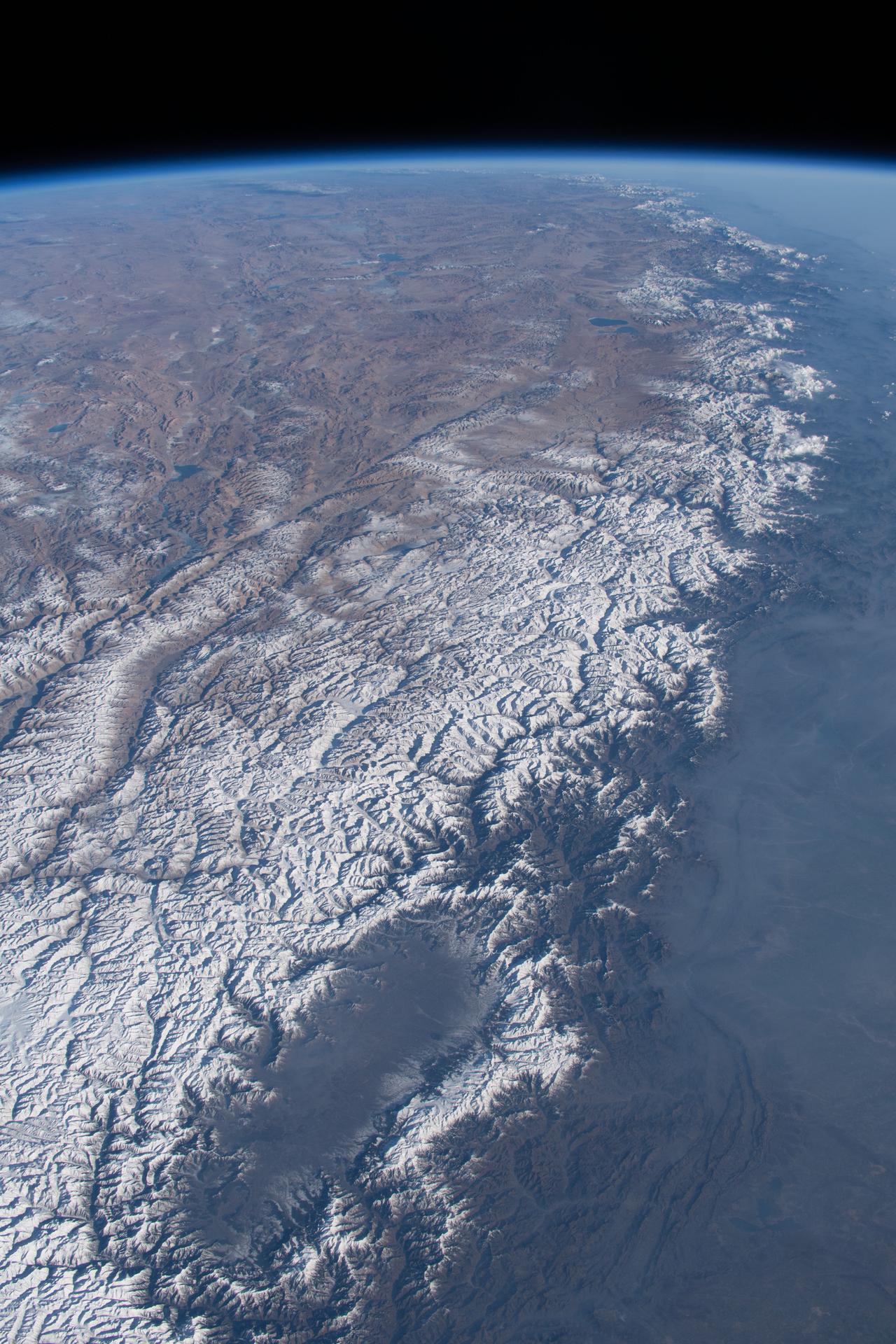
Learn · Climate learning centre
From weather versus climate to reading a warming graph — built for school and college students, educators, and curious citizens.
Photo: Himalaya from the ISS · NASA (iss070e091714)
Climate learning centre
Start with the basics, understand what is happening in India, then explore solutions. Each learning path is designed for a short, focused study session.
Understand weather vs climate, the greenhouse effect, global warming and the role of human activities.
Read core lessonsExplore heatwaves, monsoon variability, Himalayan risks, coastal exposure and climate-sensitive livelihoods.
Explore India pageLearn the difference between reducing emissions and preparing communities for climate impacts.
Explore actionThe Climate Union Academy · Planned syllabus
Showing all nine planned study areas. Choose a learner group to see the recommended starting point.
Weather and climate, Earth’s energy balance, greenhouse effect, warming, variability and feedback.
BeginnerOceans, rivers, mountains, deserts, forests, ecosystems and natural resources.
BeginnerHazards, exposure, vulnerability, risk, early warning, preparedness and recovery.
BeginnerAtmospheric structure, circulation, greenhouse gases, aerosols, monsoons and extreme weather.
IntermediateOcean basins, currents, upwelling, heat, acidification and marine ecosystems.
IntermediateDatasets, graphs, anomalies, uncertainty, statistics, remote sensing and GIS.
IntermediateAgreements, climate finance, carbon pricing, governance and just transition.
IntermediateReporting, scientific fact-checking, data journalism, interviews and ethical coverage.
IntermediateResearch questions, literature reviews, methods, analysis, citations and ethics.
AdvancedCourse names and lesson counts are programme plans, not claims that complete courses or accredited qualifications are already available.
Foundation lessons
Weather describes short-term atmospheric conditions — such as temperature, rain, wind and humidity — at a particular time and place. Climate describes long-term patterns and averages, typically assessed over periods of about 30 years.
A cold day does not disprove global warming. Climate change is assessed from long-term patterns, not one day’s weather.
Some gases in the atmosphere — including carbon dioxide, methane and nitrous oxide — absorb and re-emit infrared energy. This natural greenhouse effect keeps Earth warm enough for life. Human activities have increased concentrations of these gases, strengthening the effect and warming the planet.
Remember: the natural greenhouse effect makes Earth habitable; the enhanced greenhouse effect is driving current human-caused warming.
Global warming refers to the long-term rise in Earth’s average surface temperature. Climate change includes broader changes — temperature, rainfall, extremes, oceans and ice. Climate variability refers to natural fluctuations over seasons and years, which can occur alongside the long-term warming trend.
Mitigation means reducing greenhouse gas emissions or increasing their removal — for example, cleaner electricity and energy efficiency. Adaptation means reducing harm from actual or expected impacts — for example, heat action plans, flood-resilient infrastructure and climate-resilient agriculture.
India needs both: mitigation addresses the causes; adaptation reduces risks and protects people.
Exposure, sensitivity and capacity to respond all matter. Outdoor workers, low-income households, farmers, older people, children and communities in hazard-prone locations may face different levels of risk. Good climate planning should be inclusive and locally informed.
Think critically
Climate literacy means asking good questions and checking claims against long-term evidence.
Climate change raises long-term global temperatures, but local weather still varies. Some places and seasons can experience cold spells even as the planet warms overall.
No. A single season is weather. Global warming is determined from long-term observations across the planet over decades.
Natural climate changes occurred in the past. Multiple independent lines of evidence show that recent warming is primarily caused by human greenhouse gas emissions.
No single event alone establishes the cause. Scientists use observations, physical understanding and event-attribution methods to assess how climate change alters event likelihood or intensity.
Personal choices matter, but effective action also requires public policy, infrastructure, business transformation, technology and community participation.
Climate dictionary
Showing all 12 terms
Knowledge check
Answer five questions. Read the explanation after each answer to reinforce what you have learned, or use the questions as a classroom discussion starter.
Choose the best answer.